
Most women have stood in a closet full of clothes and felt like they had nothing to wear. The reason is rarely a shortage of options. It is a shortage of the right options. Fashion investment pieces explained through a practical lens reveal something most style advice misses: a true investment piece is not defined by its price tag, its label, or its season. It is defined by how many times you reach for it, how long it holds its shape, and what it costs you per wear. This guide breaks down exactly what qualifies as an investment piece, which categories earn their value fastest, and how you can build a wardrobe that works harder for you at any budget.
Table of Contents
- Key takeaways
- Fashion investment pieces explained: what really qualifies
- Core categories that earn their value fastest
- How to evaluate a piece before you buy
- Sustainability and color: the intentional investment approach
- Debunking myths about investment dressing
- My honest take on investment dressing
- Build your investment wardrobe with Thechiccollectionco ✨
- FAQ
Key takeaways
| Point | Details |
|---|---|
| Cost-per-wear is the real metric | Divide the price by realistic wears to reveal the true value of any fashion purchase. |
| Quality fabric matters most | Natural fibers like wool, cashmere, and cotton outlast synthetics and maintain their shape season after season. |
| Start with fundamentals | Core basics like trousers, a white shirt, and a structured coat earn cost-per-wear value faster than statement pieces. |
| Investment dressing suits every budget | Accessible brands offer genuine investment pieces; price alone does not guarantee longevity or versatility. |
| Intentional shopping reduces waste | Choosing fewer, high-utility pieces supports both a refined wardrobe and a more sustainable approach to style. |
Fashion investment pieces explained: what really qualifies
The phrase “investment piece” gets used loosely in fashion media, often as a polished way to justify a splurge. But the real definition is more precise and, honestly, more empowering than that.
A true investment piece earns its value over time through consistent, repeated use. The clearest way to measure this is cost-per-wear: divide the purchase price by the number of times you realistically wear the item. A $600 cashmere coat worn 80 times costs approximately $7.50 per wear, while a $120 coat worn only 15 times costs $8 per wear. The expensive coat is actually the better deal. That single reframe changes everything about how you shop.
The four criteria that define a genuine investment piece
Beyond the numbers, four qualities separate investment fashion items from everything else in your closet:
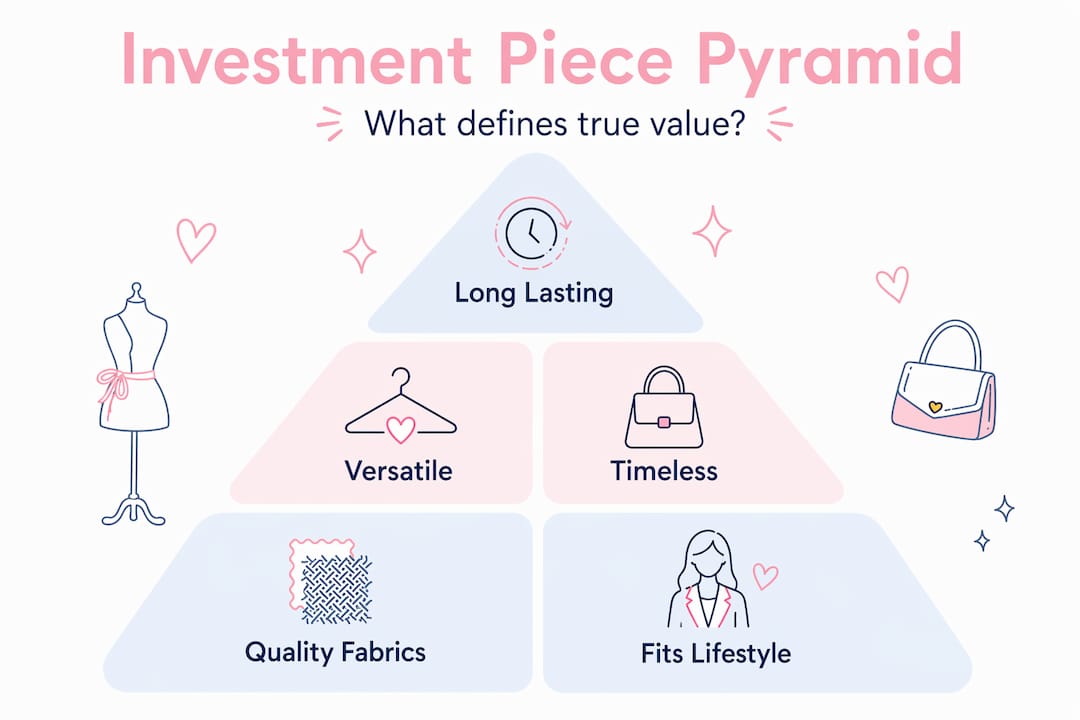
- Fabric composition: Natural fibers like wool, cashmere, cotton, silk, and leather age better than synthetics, maintaining their structure and drape over years of wear. A polyester blouse may look fine on the hanger but pills, warps, and fades within a season.
- Construction quality: Inspect seams, buttons, lining, and finishing details before you buy. Quality is most visible where it is least expected, such as inside hems and at stress points like pockets and cuffs.
- Silhouette longevity: A piece with a clean, classic cut will not read as dated in three years. Avoid exaggerated proportions tied to a single trend cycle.
- Lifestyle relevance: The most beautifully made blazer is not an investment if your daily life never calls for it. Your wearing habits, not your aspirational style goals, should drive every purchase decision.
Pro Tip: Before buying, ask yourself: “Can I style this at least five different ways within my current wardrobe?” If you struggle to reach three, put it back.
Core categories that earn their value fastest
Not all investment fashion items are created equal. Some categories simply get worn more often, which means they accumulate wears faster and drive cost-per-wear down quickly. Here is where to focus your attention first.
Outerwear: the silent hero of every elegant wardrobe
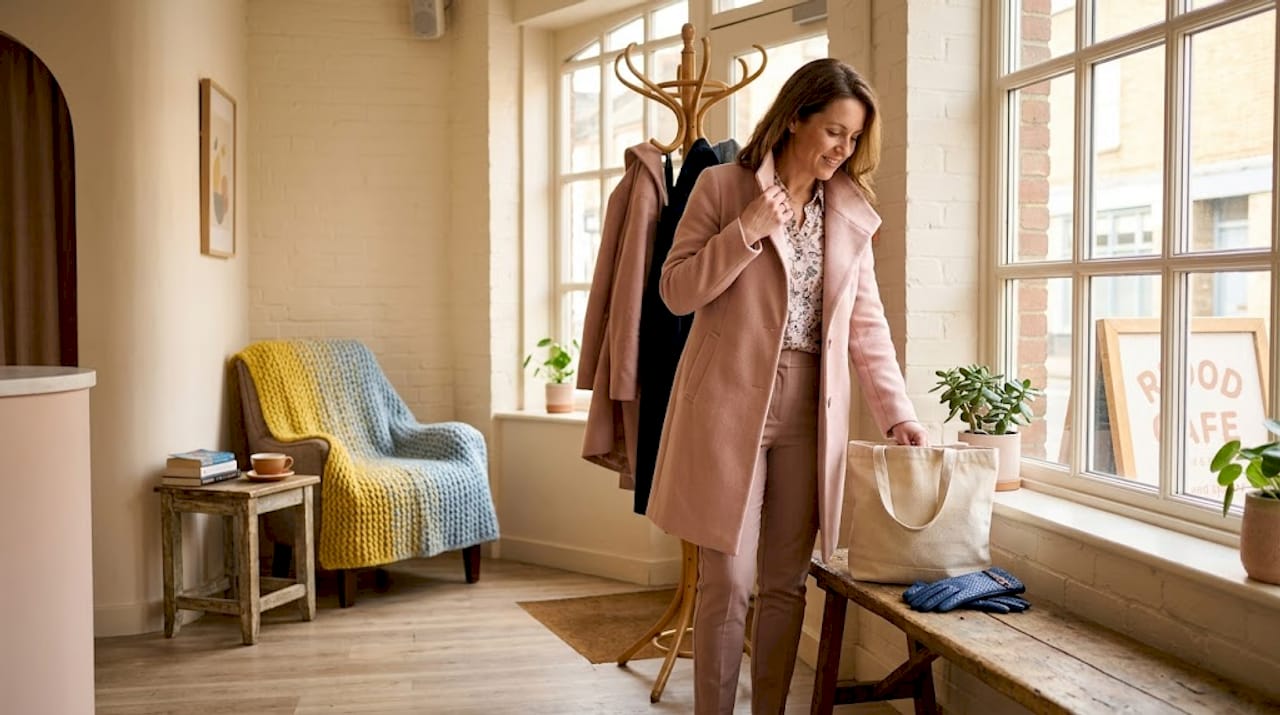
Classic outerwear earns cost-per-wear faster than almost any other category because you wear it over every outfit, every day, for months at a time. A camel coat, a navy wool coat, and a single-breasted trench coat are the three silhouettes that have proven their staying power across decades. You throw one of these on over a casual weekend look or a polished office outfit, and it instantly pulls everything together.
The wardrobe multipliers
These are the pieces that make everything else work:
- Well-cut trousers in a neutral: Black, camel, or charcoal trousers in a tailored cut can be styled with almost anything. They are the backbone of a capsule wardrobe.
- The classic white shirt: Few pieces offer more styling versatility. Wear it tucked, half-tucked, layered under a blazer, or knotted over high-waisted trousers.
- A structured blazer: One well-fitting blazer in a neutral tone adds polish to jeans, dresses, and tailored separates alike.
- Cashmere or quality merino knitwear: A fine-knit crewneck or V-neck sweater in a neutral shade is a true timeless wardrobe staple that layers beautifully and wears season after season.
- Classic footwear: Sleek loafers and a clean leather pump in a neutral tone will outlast any trend-driven shoe purchase by years.
- A structured bag: A well-made bag in a classic silhouette is one of the few accessories that genuinely holds or increases its resale value over time.
| Category | Budget option | Mid-range option | Investment-level option |
|---|---|---|---|
| Knitwear | Uniqlo merino | & Other Stories | Loro Piana cashmere |
| Tailoring | COS trousers | Arket blazer | Theory suiting |
| Outerwear | Mango wool coat | Toteme trench | Max Mara camel coat |
| Bags | Thechiccollectionco shoulder bag | Polène | Celine |
Pro Tip: A versatile everyday bag in a structured silhouette and neutral tone will serve you across more occasions than three trend-driven bags combined.
How to evaluate a piece before you buy
Knowing the theory is one thing. Standing in a fitting room or scrolling through product pages is another. Here is a practical method for making smarter purchase decisions every time.
- Run a wear forecast. Before buying, mentally map the new piece to at least three to five outfit roles you already wear regularly. Think: base layer for the office, weekend upgrade, layering piece for travel. If you cannot find those roles in your actual life, the piece will not earn its keep.
- Try the hanger method. For pieces already in your closet, switch coat hangers every time you wear an item over 30 days. After a month, the turned hangers reveal your true wardrobe heroes. This same logic applies when forecasting a new purchase: would it realistically become a turned hanger?
- Prioritize versatility over novelty. A piece that plays one role beautifully is a luxury. A piece that plays five roles consistently is an investment.
- Start with fundamentals, not statements. The most common mistake in building an investment wardrobe is reaching for statement pieces before the basics are in place. Core items like trousers, shirts, and coats accumulate wears far faster because they are worn more frequently.
- Assess fit honestly. No amount of quality fabric or beautiful construction compensates for a piece that does not fit your body well. Fit is the single factor most likely to determine whether a garment gets worn or hangs forgotten.
Pro Tip: Wardrobe investment choices work best when grounded in your actual wearing habits, not aspirational ones. Be honest about your lifestyle before you commit.
Sustainability and color: the intentional investment approach
There is a quiet but powerful connection between investment dressing and sustainable style. When you buy fewer pieces but choose them with greater care, you naturally reduce consumption, generate less textile waste, and build a wardrobe that feels considered rather than chaotic.
Natural fibers play a central role here. Wool, cashmere, and cotton biodegrade far more responsibly than synthetic alternatives, and their durability means you replace them far less often. A well-maintained cashmere sweater can last a decade. A polyester version of the same shape might last two seasons.
Color analysis adds another layer of intentionality. Personal seasonal palettes improve wearability and reduce impulse buys by helping you identify the specific tones that harmonize with your natural coloring. When every piece in your wardrobe works with your palette, everything coordinates, and you stop buying items that never quite fit with anything else you own.
Here are the practical benefits of this approach:
- Fewer impulse purchases because each new item must earn its place
- Greater outfit coherence because your palette is consistent across pieces
- Reduced wardrobe anxiety because every item genuinely works together
- Lower long-term spending because high-quality pieces require fewer replacements
- A more confident, personal sense of style that reflects who you actually are
Stylist advice on gradual wardrobe consolidation is consistent on one point: you do not need to overhaul everything at once. Replace one low-quality item with one high-quality investment piece at a time, and your wardrobe will transform steadily without overwhelming your budget or your closet.
Debunking myths about investment dressing
The biggest misconception about high-quality clothing investments is that they require a luxury budget. This is simply not true, and believing it keeps many women stuck in a cycle of buying cheaper items more often, which ultimately costs more.
Investment dressing principles apply at every price point. Uniqlo merino sweaters, COS tailoring, and & Other Stories knitwear are genuine investment pieces at accessible prices. What matters is fabric quality, construction, and how often you will realistically wear the item. A $45 merino crewneck you wear 60 times is a far better investment than a $300 designer top you wear twice.
A few myths worth addressing directly:
- “Investment pieces only come from luxury brands.” Price does not guarantee longevity or cost-per-wear value. Some luxury items are beautiful but impractical for daily wear.
- “I need to spend a lot to start.” A foundational staple tee in a quality fabric is a legitimate starting point. Begin with the basics.
- “Trendy pieces can be investments too.” Rarely. Trend-driven silhouettes date quickly and accumulate far fewer wears before feeling outdated.
- “Classic bags always hold their value.” Some do, particularly from heritage houses with strong resale markets. But most bags depreciate. Buy what you will genuinely use, not what you hope to sell.
Honest self-assessment before buying is the most underrated skill in investment dressing. Ask yourself whether you are buying for your actual life or for an idealized version of it.
My honest take on investment dressing
I have spent years watching women build wardrobes the hard way: buying fast, buying often, and feeling perpetually dissatisfied. I did it too. The shift happened when I stopped asking “Is this beautiful?” and started asking “How many times will I actually wear this?”
What I have learned is that investment dressing is less about spending more and more about spending deliberately. The women with the most effortlessly polished wardrobes are not necessarily the ones with the largest budgets. They are the ones who know their lifestyle, understand their coloring, and resist the pull of trends long enough to ask the right questions.
The hardest part is not finding the right pieces. It is letting go of aspirational shopping: buying for the life you wish you had rather than the one you actually live. A silk blouse for imaginary dinner parties will never earn its cost-per-wear. A well-cut blazer you reach for three times a week absolutely will.
My advice: start with one category, outerwear or trousers, and commit to buying one genuinely great piece instead of two mediocre ones. Wear it constantly. Notice how it changes the way you feel when you get dressed. That feeling is the whole point.
— John
Build your investment wardrobe with Thechiccollectionco ✨
You now have the framework. The next step is finding pieces that actually deliver on it.
Thechiccollectionco curates a thoughtful selection of timeless shirts and blouses, structured bottoms, elegant dresses, and accessories designed to serve as genuine wardrobe foundations. Every piece is chosen with versatility and longevity in mind, so you are not just buying something beautiful for today. You are investing in a look that carries you through seasons. The classic structured handbag collection, for example, offers polished silhouettes that complement both casual and formal wardrobes with ease. With free delivery on every order, a secure money-back guarantee, and 24/7 customer support, Thechiccollectionco makes it genuinely easy to shop with confidence. Browse the full collection and let the curation do the work for you. 🛍️
FAQ
What are fashion investment pieces?
Fashion investment pieces are garments and accessories chosen for their durability, versatility, and cost-per-wear value rather than their trend appeal. They are worn repeatedly over years, making their effective cost per use lower than cheaper, less-worn alternatives.
Do investment pieces have to be expensive?
No. Investment dressing applies at every price point, from accessible brands to luxury labels. What matters is fabric quality, construction, and how frequently you will wear the item in your actual daily life.
What is the cost-per-wear method?
Cost-per-wear divides the purchase price of a garment by the number of times you wear it. A $600 coat worn 80 times costs $7.50 per wear, which is better value than a $120 coat worn only 15 times at $8 per wear.
Which fashion pieces are worth investing in first?
Start with outerwear, well-cut trousers, a classic white shirt, and a structured blazer. These core basics earn cost-per-wear value fastest because they are worn more frequently than statement or occasion pieces.
How do I know if a piece is truly high quality?
Check the fabric composition for natural fibers, and inspect the construction at seams, buttons, lining, and hems. Quality craftsmanship is most evident in the details you do not immediately see.
Recommended
- Fashion Heart‑Shape PU Leather Handbag – Women’s Crossbody Bag – The Chic Collection Co
- Fashion Heart‑Shape PU Leather Handbag – Women’s Top Handle & Crossbod – The Chic Collection Co
- Retro-Style Double-Pocket Shoulder Bag – The Perfect Everyday Commuter – The Chic Collection Co
- The Chic Collection Co